
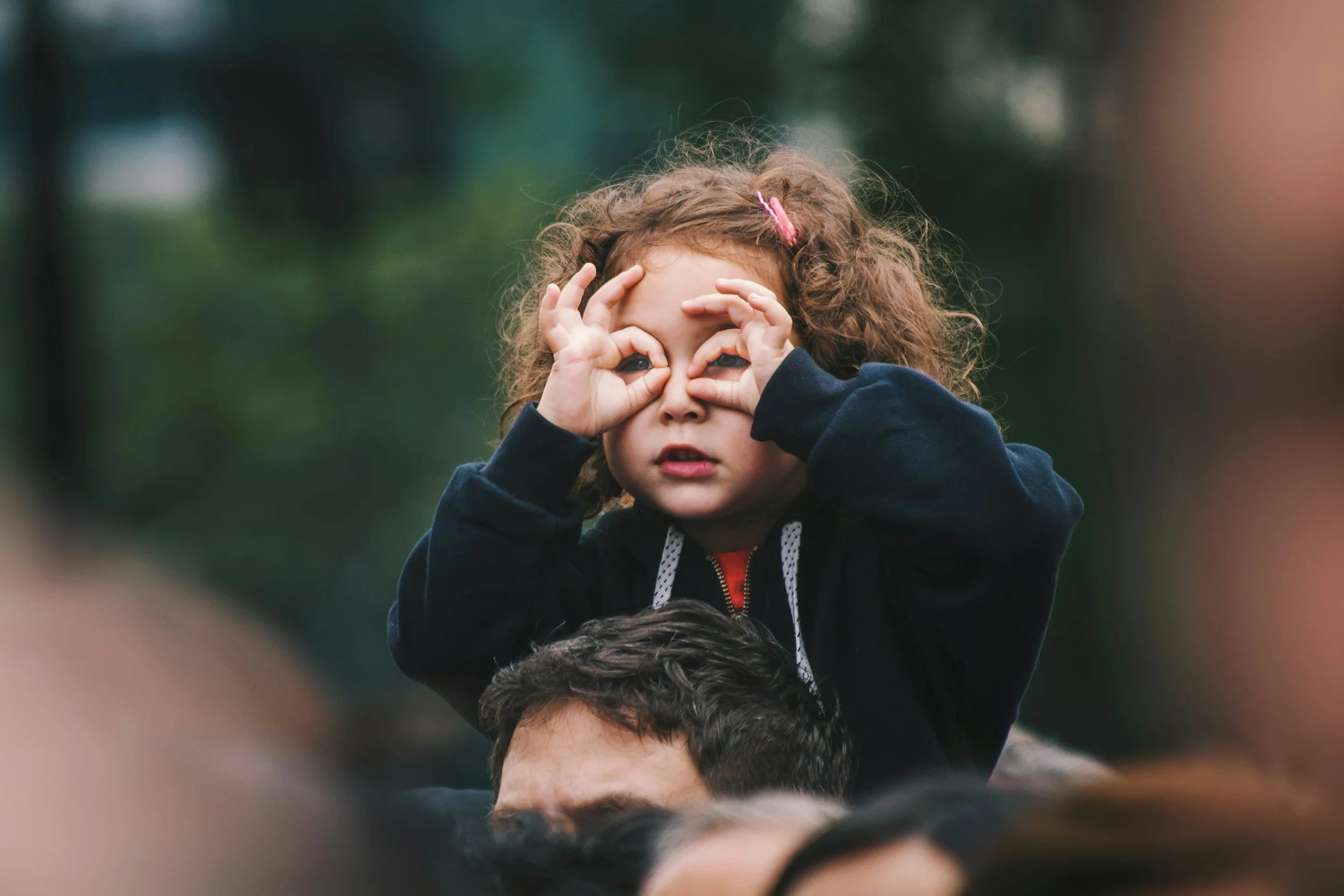
Children’s Eye Exams
The Importance of Children’s Eye Exams
Children’s eyes develop rapidly, and healthy vision is essential for learning, playing, and overall development. Vision problems that go undetected can affect your child’s ability to read, watch TV, participate in sports, or use digital devices.
If left untreated, childhood vision issues may lead to:
Slower learning progress than expected for their age
Frustration with school or learning activities
Reduced self-esteem
Behavioral challenges
Regular pediatric eye exams help detect vision problems, eye conditions, and diseases early—before they cause lasting complications. Early intervention ensures your child can reach their full academic and developmental potential.
Book a comprehensive eye exam if your child shows any of the following symptoms:
Frequent headaches or irritability
Red, watery, or itchy eyes
Covering or closing one eye
Lack of interest in books, TV, or schoolwork
Sitting too close to screens
Squinting, excessive blinking, or rubbing of the eyes
Skipping, omitting, or confusing words while reading
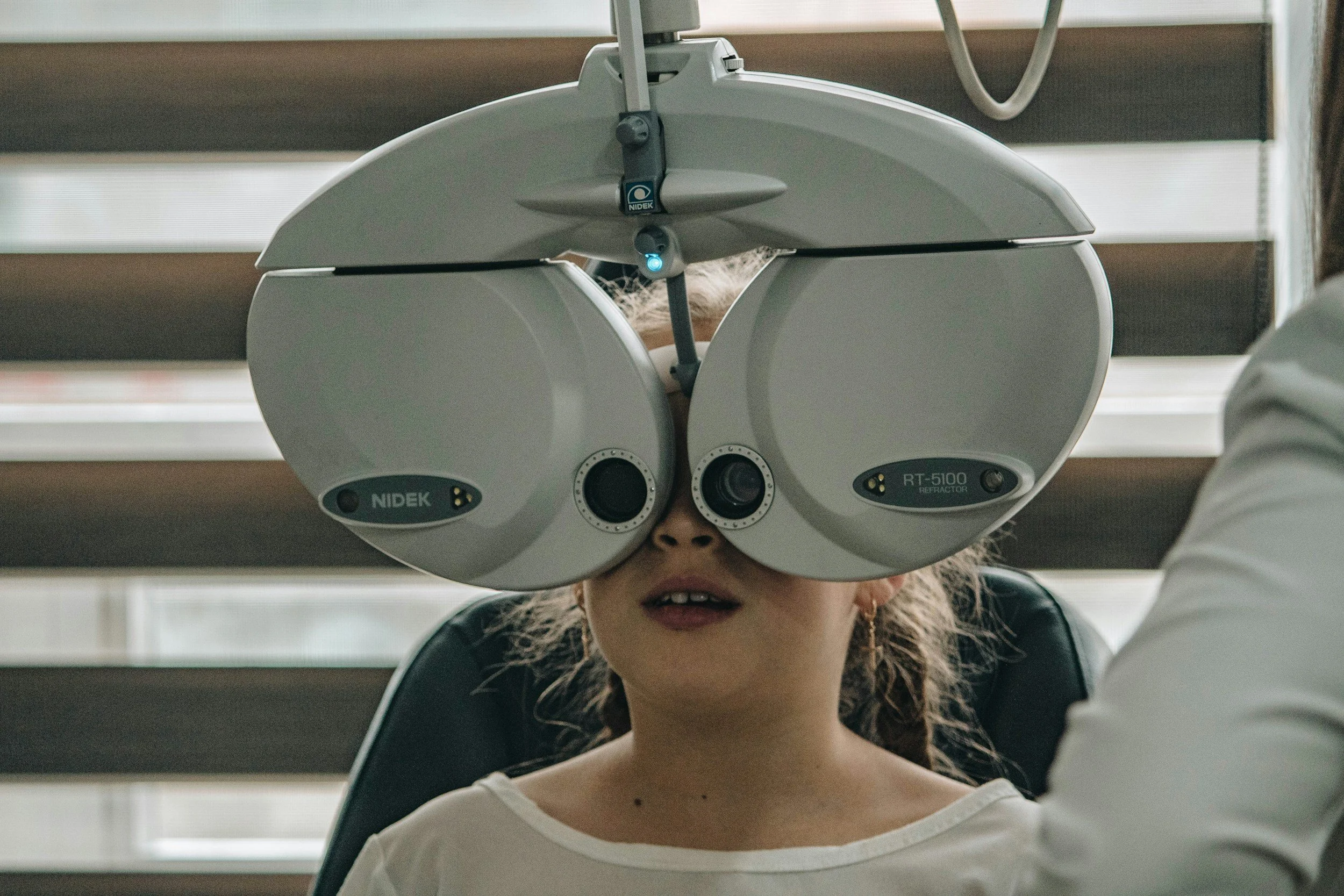
At Annik Eye Care in Cloverdale, Surrey, our experienced pediatric optometrists provide thorough eye exams tailored to children of all ages. Early detection and treatment can protect your child’s vision and support healthy visual development.
Common Childhood Eye Conditions
The following are some common eye conditions that can be diagnosed during a regular eye exam.
-
Strabismus, or crossed eyes, is an ocular muscle condition in which the eyes are misaligned. This can cause one or both of the eyes to turn up, down, out, or in.
Strabismus won’t correct on its own, and if left untreated, it will worsen until the brain begins to ignore information received from the affected eye.
Fortunately, strabismus is treatable. This condition usually develops in early childhood, and regular, comprehensive eye exams will allow us to detect and correct it. Treatment includes eyeglasses, vision therapy, prisms, and in some cases, surgery.
If you notice signs of an eye turn, please book an eye exam for your child as soon as possible, so we can provide you with a treatment plan.
-
Amblyopia, or lazy eye, is a weakness in one or both eyes caused by an uncorrected prescription or strabismus. If the prescription is dramatically different between two eyes, the stronger eye tends to take over the visual duties, causing the brain to ignore images sent from the weaker eye.
Amblyopia is treatable early on, but treatment becomes significantly more difficult if left untreated for too long. If left completely untreated, the affected eye may become functionally blind.
Treatments include patching the stronger eye to encourage the use of the weaker eye. Vision therapy, glasses, or contact lenses may also be required. A child may not realize they have amblyopia but it can be easily diagnosed during a regular, comprehensive eye exam.